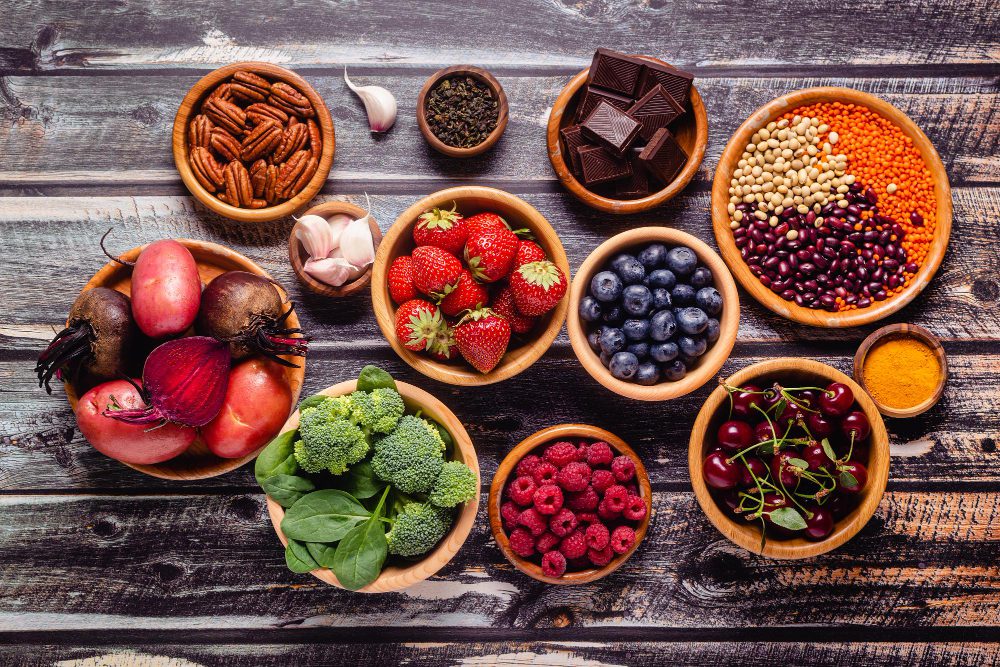





In recent years, the shift toward plant-based diets has catapulted from a niche lifestyle choice to a global movement. This dietary revolution, fueled by growing environmental concerns, health research, and ethical considerations, is changing the way we think about food. Whether for health, moral reasons, or ecological sustainability, more people are turning to plant-based diets than ever before. In this article, we’ll explore the benefits of adopting a plant-based diet and offer practical tips for making the transition.
Why Go Plant-Based?
Health Benefits
A plant-based diet rich in fruits, vegetables, grains, nuts, and seeds, with minimal or no animal products, offers numerous health benefits. Research has shown that such diets can lower the risk of heart disease, hypertension, diabetes, and certain types of cancer. Moreover, they can aid in weight management, improve gut health, and enhance overall longevity.
Environmental Impact
The environmental argument for a plant-based diet is compelling. Animal agriculture is a significant contributor to greenhouse gas emissions, deforestation, water use, and pollution. Reducing the demand for animal products can lessen our ecological footprint. A plant-based diet requires less land, water, and energy, representing a sustainable choice for our planet.
Ethical Considerations
For many, the decision to go plant-based is also motivated by ethical concerns regarding animal welfare. The conditions in which many farm animals are raised and the moral implications of consuming them are driving individuals to reconsider their food choices.
How to Transition to a Plant-Based Diet Successfully
Making the switch to a plant-based diet doesn’t have to be overwhelming. Here are some tips to start your plant-powered journey:
Start Slow
If you’re accustomed to a diet heavy on animal products, abrupt changes might be challenging to sustain. Begin by incorporating more plant-based meals into your routine gradually. Meatless Mondays or swapping out dairy milk for plant-based alternatives are marvelous starting points.
Explore Plant-Based Proteins
One common concern about plant-based diets is protein intake. However, plenty of plant foods are rich in protein, such as lentils, beans, chickpeas, tofu, tempeh, and quinoa. Experiment with different sources to find what you enjoy and ensure you’re meeting your protein needs.
Get Creative in the Kitchen
A plant-based diet opens up a world of culinary possibilities. From hearty vegetable stews and flavorful curries to innovative tofu dishes and vibrant salads, there’s no shortage of delicious plant-based recipes. Use this as an opportunity to expand your cooking skills and palate.
Focus on Whole Foods
While many processed plant-based products are available, prioritizing whole foods is critical to reaping the health benefits. Whole foods are minimally processed and closer to their natural state, providing essential nutrients without added sugars, fats, and preservatives.
Seek Support
Transitioning to a plant-based diet can be easier with support. Join online communities, follow plant-based blogs for inspiration, or connect with friends who share your interest in plant-based living. Sharing experiences and tips can make the journey more enjoyable and sustainable.
Educate Yourself
Finally, learning about the nutritional aspects of a plant-based diet can empower you to make informed choices. Understanding the importance of nutrient-dense foods and how to balance your meals to meet your dietary needs is crucial.
Conclusion
The rise of plant-based diets reflects a growing consciousness around health, environmental sustainability, and ethical living. Whether motivated by one or all of these factors, transitioning to a plant-based diet can have profound benefits. By making gradual changes, exploring the richness of plant-based foods, and educating yourself, you can embark on a rewarding journey toward a healthier, more sustainable lifestyle.
As the plant-based movement continues to grow, it’s clear that this is more than a trend—it’s a sustainable shift in our global food paradigm, promising a healthier future for both people and the planet.