


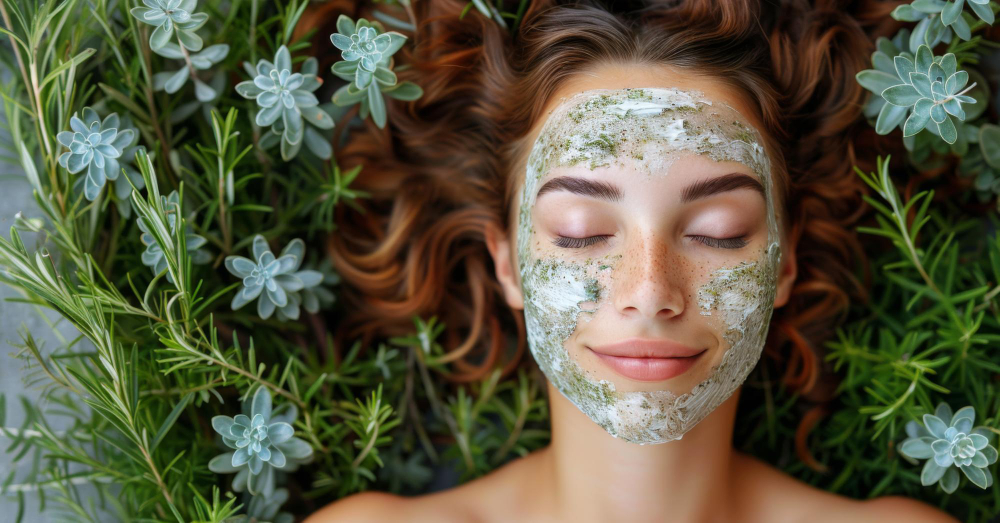

In recent years, there has been a growing awareness of the environmental impact of our daily routines. The beauty industry, in particular, is under scrutiny for its use of non-recyclable packaging, harmful chemicals, and unsustainable sourcing practices. Creating a sustainable and eco-friendly beauty routine is not only beneficial for the planet but can also be healthier for your skin. Here’s a comprehensive guide to help you transition to a greener beauty regimen.
Understanding the Impact
The Environmental Cost of Beauty Products
The beauty industry generates significant waste and pollution. From plastic packaging to the microplastics found in exfoliants, the environmental footprint is substantial. Furthermore, the production processes of many beauty products involve harmful chemicals that can leach into waterways, affecting both wildlife and human health.
Benefits of a Sustainable Beauty Routine
Adopting a sustainable beauty routine has multiple benefits:
- Reduced Waste: Less packaging and single-use products mean less trash ending up in landfills.
- Healthier Ingredients: Eco-friendly products often use natural, non-toxic ingredients.
- Supporting Ethical Brands: Many sustainable brands focus on fair trade and cruelty-free practices.
- Long-Term Savings: Quality sustainable products can be more cost-effective over time.
Steps to an Eco-Friendly Beauty Routine
1. Assess Your Current Routine
Start by evaluating the products you currently use. Identify items that are heavily packaged, contain harmful ingredients, or are single-use. This will give you a clear idea of where changes are needed.
2. Choose Sustainable Brands
Research and support brands committed to sustainability. Look for certifications such as:
- Certified Organic: Indicates the use of organic ingredients.
- Fair Trade: Ensures ethical production practices.
- Leaping Bunny or Cruelty-Free: Confirms no animal testing.
- Eco-Cert: Denotes environmentally friendly production and packaging.
3. Simplify Your Routine
Adopt a minimalist approach. A streamlined routine with fewer products can reduce waste and clutter. Choose multi-use products that can serve multiple purposes, such as a moisturizer that doubles as a primer.
4. Opt for Refillable and Recyclable Packaging
Select products with refillable options or those packaged in recyclable materials. Brands like Lush and Kjaer Weis offer refillable containers, reducing the need for new packaging.
5. DIY Beauty Products
Creating your beauty products can be both fun and eco-friendly. Simple ingredients like coconut oil, aloe vera, and essential oils can be used to make moisturizers, masks, and scrubs at home.
6. Be Mindful of Water Usage
The beauty routine often involves significant water use. To minimize water waste, try turning off the tap while cleansing your face or using dry shampoos and leave-in conditioners.
7. Dispose Responsibly
Proper disposal of beauty products is crucial. Follow these steps:
- Recycle: Ensure containers are clean before recycling.
- Upcycle: Repurpose containers for storage or DIY projects.
- Dispose of Chemicals Safely: Take hazardous products to a proper disposal facility.
Spotlight on Sustainable Beauty Brands
Lush
Lush is renowned for its commitment to sustainability. Its products come in minimal or no packaging, and it uses fresh, organic ingredients. It also strongly opposes animal testing.
RMS Beauty
RMS Beauty focuses on clean, organic ingredients and eco-friendly packaging. Their products are free from synthetic preservatives and chemicals, making them safe for both you and the environment.
Tata Harper
Tata Harper offers luxury skincare products with non-toxic, 100% natural ingredients. The brand emphasizes sustainability with eco-friendly packaging and responsible sourcing practices.
Conclusion
Transitioning to a sustainable and eco-friendly beauty routine is a step towards a healthier planet and a healthier you. By making mindful choices, supporting ethical brands, and reducing waste, you can significantly lessen your environmental impact. Remember, every small change counts. Start with one or two adjustments and gradually incorporate more sustainable practices into your routine. Together, we can make beauty truly beautiful.