




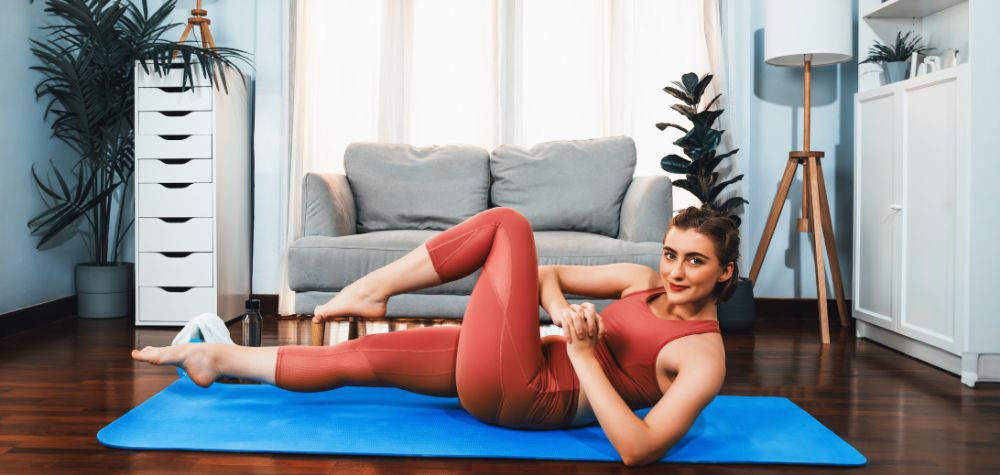
In recent years, the surge of interest in maintaining a healthy lifestyle has merged with the convenience of home-centric living, propelling the concept of home fitness into the limelight. The need to find practical, engaging, and sustainable workout routines outside the traditional gym setting has never been more pronounced. As we look forward to embracing fitness at home in 2024, it’s clear that the evolution of technology, coupled with a deeper understanding of fitness principles, has made it possible to achieve profound physical transformations from the comfort of one’s living space.
The Appeal of Home Workouts
The allure of home workouts lies in their simplicity and accessibility. Without the need for travel time or dealing with crowded gym spaces, fitness enthusiasts can more easily integrate workout routines into their daily schedules. This convenience, however, does not imply a compromise on effectiveness. With the right approach, home workouts can be as, if not more, impactful than their gym-based counterparts.
Designing Your Effective Home Workout Routine
Creating an effective home workout routine involves understanding the principles of fitness and how to apply them within the constraints of home environments. Here are key components to consider:
Defining Clear Fitness Goals
Before diving into any workout regimen, it’s crucial to set clear, attainable goals. Are you aiming to build muscle, lose weight, enhance your endurance, or maintain general fitness? Each goal requires a tailored approach in terms of exercise selection, intensity, and duration.
Incorporating a Mix of Exercise Types
An effective workout routine includes a mix of cardiovascular training, strength training, flexibility exercises, and balance training. This holistic approach ensures comprehensive health benefits, including heart health, muscle strength, joint health, and injury prevention.
- Cardiovascular Training: Activities like jumping jacks, high knees, or using home cardio equipment such as stationary bikes or treadmills can boost heart health.
- Strength Training: Utilize bodyweight exercises (e.g., push-ups, sit-ups, and squats), resistance bands, or household items as weights to build muscle.
- Flexibility and Balance: Incorporate yoga or Pilates sessions to improve flexibility, balance, and core strength, which are essential for overall fitness and injury prevention.
Tailoring Your Space and Schedule
Designate a specific area in your home as your workout space—a place where you feel motivated and free from distractions. Schedule your workouts just as you would a gym session, ensuring consistency and making fitness a non-negotiable part of your daily routine.
Leveraging Technology
The digital age has brought fitness instruction directly into our living rooms. From subscription-based apps and YouTube fitness channels to smart home gym equipment like connected stationary bikes that offer live classes, technology can guide, motivate, and track progress.
- Fitness Apps: These can provide structured workout programs, nutrition advice, and community support.
- Online Classes & Tutorials: Ideal for when you need guidance or are looking to mix things up. Many are free and cater to all fitness levels and interests.
- Wearable Fitness Trackers: These devices can monitor progress and track calories burned, heart rate, and sleep patterns, offering valuable insights and motivation.
Staying Motivated
Maintaining motivation can be challenging, especially without the external stimuli of a gym environment. Setting small, achievable targets, rewarding yourself for reaching milestones, and varying your workouts can keep things exciting and keep you on track.
Sample Home Workout Routine
Here’s a simple, well-rounded weekly workout plan that requires no equipment, demonstrating how you can stay fit from home:
- Monday (Strength Training): Bodyweight exercises focusing on major muscle groups (3 sets of squats, push-ups, and lunges)
- Tuesday (Cardio & Core): 20 minutes of high-intensity interval training (HIIT) followed by a 10-minute core workout
- Wednesday (Rest or Light Yoga): Focus on recovery with light yoga or stretching
- Thursday (Cardio): 30-minute cardio session (running, brisk walking, or aerobic exercises)
- Friday (Full Body Strength): Full body strength training using bodyweight or resistance bands
- Saturday (Flexibility & Balance): A longer yoga or Pilates session
- Sunday (Active Rest): Engage in a light, enjoyable physical activity like walking, gentle cycling, or a family outdoor game
Conclusion: The Home as a Fitness Haven
As we move into 2024, the possibilities for achieving fitness goals at home are boundless. The convergence of technological advancements, a broader understanding of workout effectiveness, and the sheer convenience of exercising in one’s own space have all contributed to making home workouts a viable, even preferable, alternative to traditional gym workouts.
By carefully constructing a workout routine that aligns with personal goals, leveraging digital resources for guidance and variation, and fostering a disciplined, motivated mindset, anyone can transform their home into a personal fitness sanctuary. The journey to fitness is profoundly personal and continuously evolving, but one thing is clear: the path to achieving your health and fitness goals may be through your front door.